
 ashushu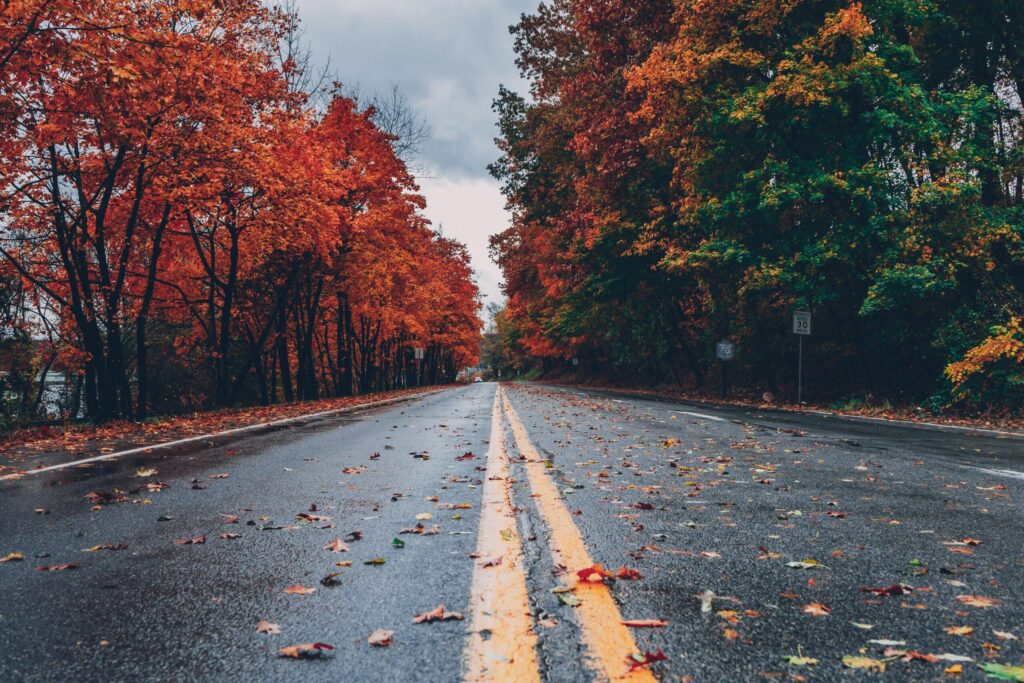
November is one of the most beautiful and culturally rich months to visit Japan. The country reaches the peak of its autumn foliage season, and numerous traditional events take place in temples, shrines, and historic towns. For travelers interested in Japanese culture, seasonal festivals, and scenic landscapes, November is an ideal month to explore.
1. Peak Autumn Foliage (紅葉 – Kōyō)
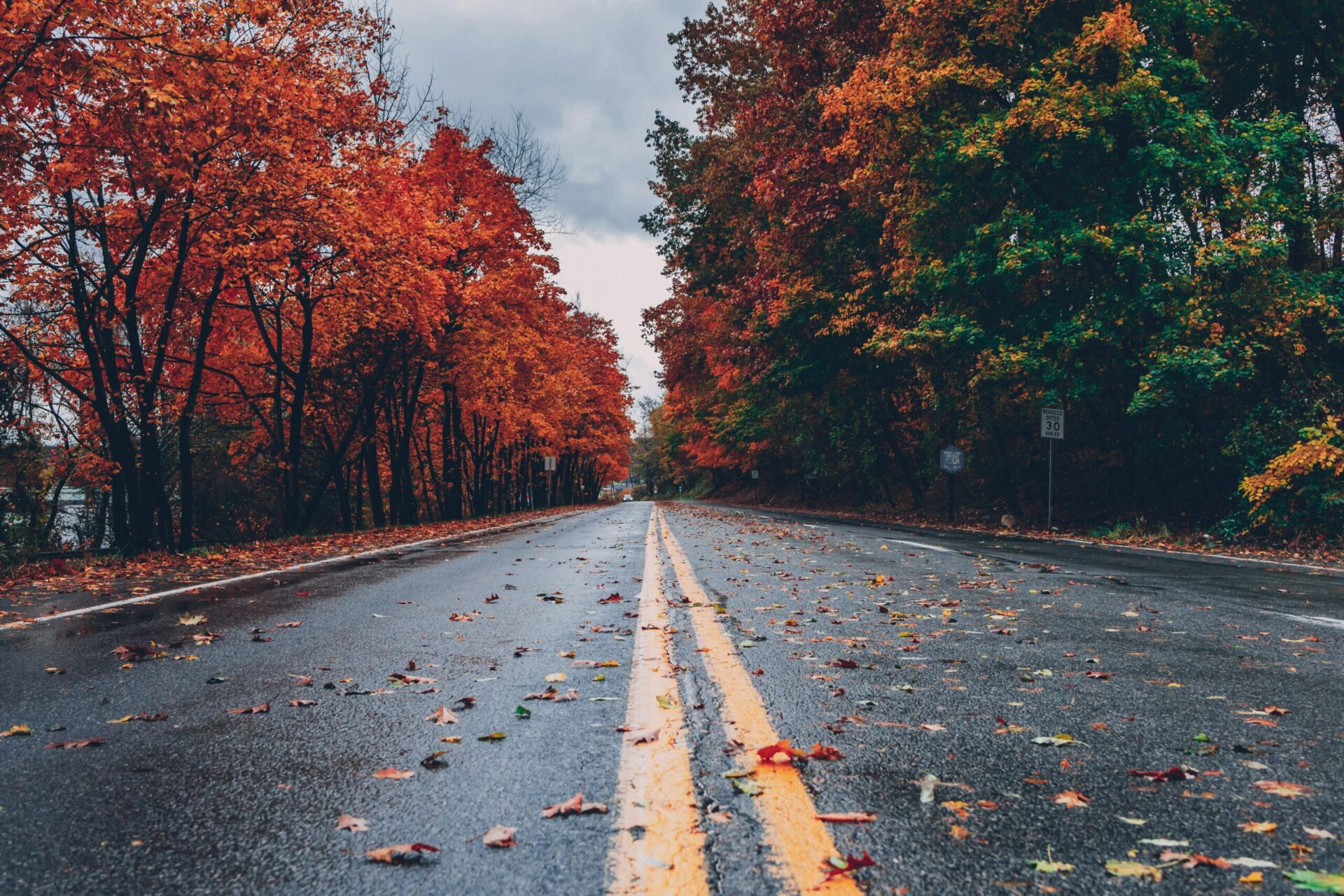
November is the height of Japan’s fall foliage season. From vibrant maple trees to golden ginkgo leaves, cities and nature spots transform into colorful landscapes.
Top Places to See Autumn Leaves in November
- Kyoto – Kiyomizu-dera, Arashiyama, Eikando Temple
- Tokyo – Meiji Jingu Gaien’s ginkgo avenue, Rikugien Garden
- Nara – Nara Park and Mount Wakakusa
- Hiroshima – Miyajima and Momijidani Park
Nighttime illuminations at temples and gardens make this one of Japan’s most magical times of the year.
2. Shichi-Go-San (七五三) – Festival for Children
Celebrated on November 15
Shichi-Go-San (“7-5-3”) is a traditional Japanese celebration for children aged 3, 5, and 7.
What Happens on Shichi-Go-San
- Families visit Shinto shrines to pray for children’s growth and health
- Children wear formal kimono or hakama
- Parents often take commemorative photos at scenic shrines
This event offers a heartwarming glimpse into Japanese family culture and traditions.
3. Labor Thanksgiving Day (勤労感謝の日 – Kinrō Kansha no Hi)
National Holiday – November 23
This holiday is derived from ancient harvest festivals and is now a day to honor workers and promote peace.
How It’s Observed
- Schools and organizations express appreciation for workers
- Many families enjoy a quiet day together
- Local events celebrate community cooperation
It reflects Japan’s value of gratitude and social harmony.
4. Tori no Ichi (酉の市) – Good Fortune Market in Tokyo & Kanto Region
Held on designated days in November, Tori no Ichi is a lively festival hosted at shrines such as Asakusa’s Ootori Shrine.
Highlights
- Colorful decorated rakes (kumade) symbolize good luck and business prosperity
- Energetic vendor performances with rhythmic clapping
- Nighttime markets filled with food stalls and festive lights
It’s a must-visit for those interested in traditional Japanese markets and lucky charms.
5. Autumn Festivals at Shrines and Temples
Many local shrines hold festivals thanking the gods for a successful harvest.
Notable Examples
- Niiname-sai (新嘗祭) – A Shinto harvest ritual where the Emperor offers newly harvested rice to the gods
- Local autumn matsuri in rural towns celebrating crops and community connections
These events offer a deeper understanding of Japan’s agricultural heritage.
6. Karatsu Kunchi (唐津くんち) – Saga Prefecture
Held on November 2–4
This UNESCO-recognized festival features massive and beautifully crafted floats shaped like dragons, samurai helmets, and mythical creatures.
What to Expect
- Nighttime lantern-lit processions
- Local traditional music
- A lively atmosphere in the historic castle town of Karatsu
It’s one of Kyushu’s most dynamic autumn festivals.
7. Kyoto Arashiyama Momiji Festival (嵐山もみじ祭)
Held in mid-November
This elegant festival blends autumn leaves with classical Japanese performing arts.
Features
- Traditional dance and music performed on boats
- Scenic views along Togetsukyo Bridge
- A serene atmosphere celebrating Kyoto’s cultural heritage
Perfect for visitors seeking a traditional and scenic experience.
8. Seasonal Foods in November
Japanese cuisine highlights autumn flavors in November.
Must-Try Seasonal Ingredients
- Matsutake mushrooms
- Sweet potatoes
- Persimmons
- Autumn soba
- Seasonal wagashi (Japanese sweets) inspired by maple leaves
Autumn is a wonderful time for food lovers exploring local markets and restaurants.
Final Thoughts
With its vivid autumn scenery, rich cultural traditions, and unique November festivals, Japan offers some of its most memorable experiences during this month. Whether you’re exploring Kyoto’s illuminated temples, shopping for lucky charms at Tori no Ichi, or witnessing charming family celebrations during Shichi-Go-San, November provides the perfect blend of nature and tradition for travelers seeking authentic Japanese culture.