
 ashushu
 Welcome to Japan! While you can certainly get by with a smile and a nod, learning a few key Japanese greetings (aisatsu) will open doors—literally and figuratively. In Japan, greeting others isn’t just about exchanging words; it’s a sign of respect and social harmony.
Here is a quick guide to the essential greetings you’ll need for your trip.
🌅 The Big Three: Time-Based Greetings
In Japan, which greeting you use depends entirely on the time of day.
| Time of Day | Japanese | Pronunciation | English |
| Morning | おはようございます | Ohayou gozaimasu | Good morning |
| Daytime | こんにちは | Konnichiwa | Hello / Good afternoon |
| Evening | こんばんは | Konbanwa | Good evening |
Pro Tip: When in doubt, Konnichiwa is your safest bet between 10:00 AM and sunset.
🍱 Essential Phrases for Travelers
Whether you are shopping in Ginza or eating ramen in Fukuoka, these three phrases are your “survival kit.”
1. Sumimasen (すみません)
This is the most versatile word in the Japanese language. It means “Excuse me,” “I’m sorry,” or even “Thank you” (acknowledging someone went out of their way for you). Use it to:
- Catch a waiter’s attention.
- Ask for directions.
- Apologize if you bump into someone on the train.
2. Arigatou Gozaimasu (ありがとうございます)
This means “Thank you very much.” You might know Arigatou, but adding Gozaimasu makes it polite and respectful—perfect for tourists interacting with staff or locals.
3. Yoroshiku Onegaishimasu (よろしくお願いします)
There is no direct English translation, but it roughly means “Please treat me well.” Use it after introducing yourself to someone new. It sets a positive tone for your future relationship.
🥢 Dining Etiquette: Before and After
Food is a huge part of the Japanese experience. Don’t forget these “bookend” phrases for your meals:
- Itadakimasu (いただきます): Said before eating. It expresses gratitude for the ingredients and the cook.
- Gochisousama-deshita (ごちそうさまでした): Said after the meal. It means “That was a feast!” and shows appreciation to the restaurant staff.
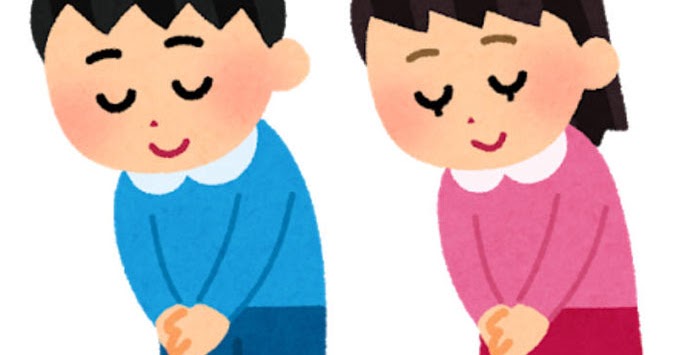
💡 A Note on Bowing (Ojigi)
You don’t need to master a complex 45-degree bow. For most tourists, a light nod of the head or a slight bend at the waist while saying these greetings is more than enough to show you respect the local culture.