 ashushu
 The Japanese tea ceremony is one of the most refined and meaningful cultural experiences in Japan. More than simply drinking tea, it is a ritual that reflects harmony, respect, purity, and tranquility.
This guide will help you understand the tea ceremony in detail, what to expect, and how to participate respectfully.
What Is the Tea Ceremony?
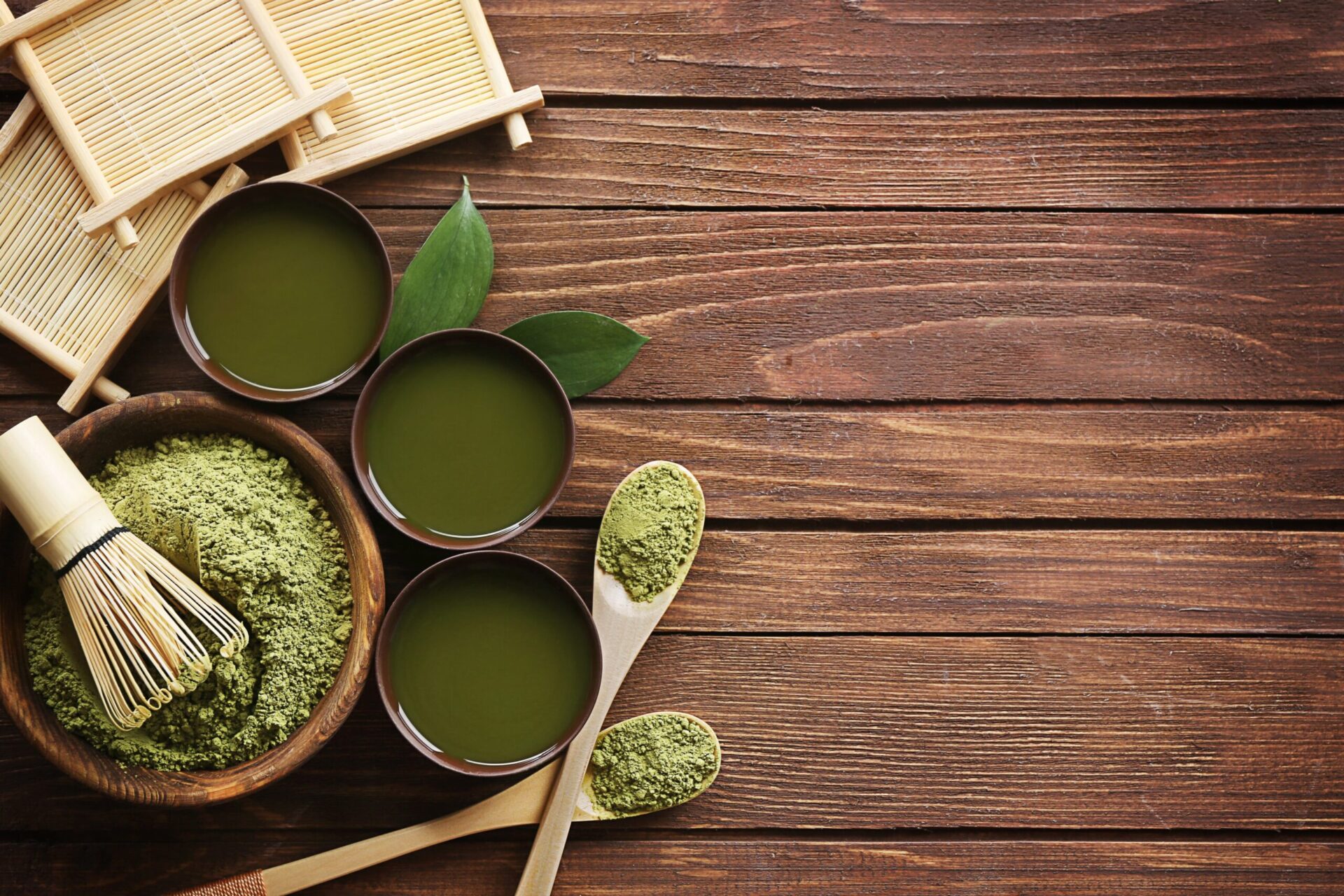
The Japanese tea ceremony, known as “Sado” or “Chado” (The Way of Tea), is a traditional practice centered around the preparation and serving of matcha (powdered green tea).
It developed over centuries and is strongly influenced by Zen philosophy.
The tea ceremony is especially popular in cultural cities like Kyoto and Tokyo.
Core Principles of the Tea Ceremony 🧘
The ceremony is based on four key principles:
Harmony (Wa)
Creating balance between host, guests, and surroundings
Respect (Kei)
Showing appreciation to others
Purity (Sei)
Maintaining cleanliness and sincerity
Tranquility (Jaku)
Achieving a calm and peaceful state
Understanding these ideas will deepen your experience.
Types of Tea Ceremonies 🍵
You may encounter different formats:
Formal tea ceremony
Traditional and longer, often with full procedures
Casual tea experience
Shorter sessions for beginners
Private ceremony
Personalized and more intimate
Many places offer beginner-friendly experiences with English explanations.
Step-by-Step: What Happens During a Tea Ceremony
1. Entering the Tea Room 🚪
Guests enter a quiet, simple room with tatami flooring.
- Shoes are removed
- The atmosphere is calm and minimal
2. Greeting and Seating 🙇
Guests sit respectfully, often kneeling (seiza style) or sitting comfortably if allowed.
The host greets guests with a bow.
3. Enjoying Traditional Sweets 🍡
Before tea is served, you will receive a sweet.
Purpose:
- Balance the bitter taste of matcha
- Reflect seasonal themes
4. Tea Preparation 🫖
The host carefully prepares the tea using traditional tools.
You may observe:
- Precise movements
- Silent concentration
- Attention to detail
This is one of the most important parts of the ceremony.
5. Receiving the Tea 🍵
When the tea is served:
- Bow slightly to show gratitude
- Turn the bowl slightly before drinking
- Drink quietly in a few sips
After finishing, you may admire the tea bowl.
6. Closing the Ceremony 🌿
The ceremony ends with a final bow and appreciation.
The atmosphere remains calm and respectful throughout.
Tea Ceremony Etiquette 🙇
To participate respectfully, follow these guidelines:
- Arrive on time
- Speak quietly
- Follow the host’s instructions
- Handle utensils carefully
- Avoid strong perfumes
Even if you are unsure, observing others helps.
What to Wear 👘
Recommended clothing:
- Comfortable and modest
- Avoid tight or restrictive clothes
- Long sleeves are acceptable
Optional:
You may wear a kimono for a more traditional experience.
Best Places to Experience a Tea Ceremony 📍
Popular locations include:
- Kyoto – traditional tea houses
- Gion – cultural experiences
- Tokyo – modern tea experiences
Kyoto is especially recommended for a more authentic atmosphere.
Useful Japanese Phrases 🗣️
Otemae chodai itashimasu
Thank you for the tea (polite expression)
Arigatou gozaimasu
Thank you very much
Sumimasen
Excuse me / Sorry
Kirei desu
It’s beautiful
Using polite language enhances your experience.
Tips for First-Time Visitors ⭐
- Book in advance
- Choose beginner-friendly sessions
- Relax and enjoy the moment
- Focus on the atmosphere, not perfection
- Take your time to observe
The experience is about mindfulness, not performance.
Common Mistakes to Avoid ❌
- Talking loudly
- Rushing the process
- Ignoring instructions
- Using phones during the ceremony
- Treating it as just a photo opportunity
Respecting the atmosphere is essential.
Final Thoughts ✈️
The tea ceremony is one of the most beautiful ways to experience Japanese culture. It teaches patience, appreciation, and mindfulness.
Even a short experience can leave a lasting impression.
By understanding the process and etiquette, you can fully enjoy this unique tradition and connect more deeply with Japan’s cultural heritage.